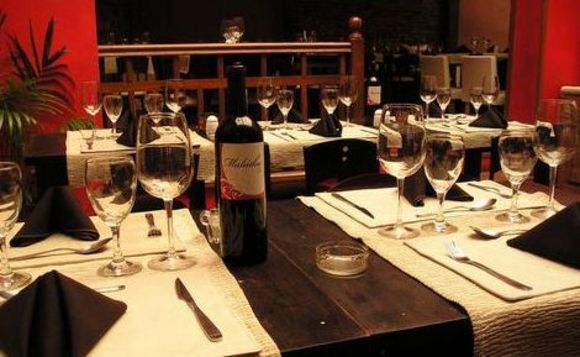

Private equity dines on restaurants
Burger King, one of the worldтs biggest fast food brands, is set to become private equity owned yet again. The $4bn acquisition will be one of private equityтs biggest forays into the catering sector, but interest in restaurants has remained strong throughout the past few years. John Bakie gives an overview
3G Capital has agreed to buy the US-headquartered chain, which is second only to giant McDonalds in the fast food world. It says it hopes to grow its franchise model in the expanding markets of South America.
Closer to home, European private equity has a long history of investing in restaurants. It has also continued to invest in this sector through the downturn, with seven restaurant investments in 2009, and five so far in 2010.
While few deals in the sector will reach the size of the Burger King acquisition, a number of private equity investors are supporting smaller, niche restaurant offerings. This year, Beringea provided £1.5m to support the acquisition of Tossed. The six-strong chain specialises in ethically sourced healthy food, and hopes to rapidly expand to up to 21 sites over the next three years. Even more recently, Naxicap provided €4m for Nord Sud Brasseries, which owns five restaurants in Lyon, each of which serves different specialist cuisine.
Such niche players offer a way for venture capitalists to gain low-level exposure to what is a highly competitive and crowded marketplace, each hoping they've caught the next big thing at an early stage.
However, more established chains are also in the firing line for private equity firms, and have been for many years. Wagamama, a Japanese-style noodle chain, is a perfect example of a company which received early-stage private equity funding and has now grown to be a household name. It first received funding in 1996, when Graphite Capital Management provided £4m. In 1996, Wagamama had just two restaurants, but today has over 100 sites across the world. It was most recently acquired by Lion Capital in 2005, and has continued to grow.
By contrast, AAC Capital-owned TGI Fridays focused on greater efficiency to increase its value. While only opening two restaurants under AAC's ownership, it managed to double its EBITDA. Last month, AAC sold its stake in the chain for an enterprise value of £60m, making a 3.8x return.
From large, multinational chains like Burger King, right the way down to smaller local restaurants like Nord Sud Brasseries, private equity is actively involved in the food segment, taking different strategies to extract value from companies at various stages of development.
Latest News
Stonehage Fleming raises USD 130m for largest fund to date, eyes 2024 programme
Sponsor acquired the public software group in July 2017 via the same-year vintage Partners Group Global Value 2017

Stonehage Fleming raises USD 130m for largest fund to date, eyes 2024 programme
Czech Republic-headquartered family office is targeting DACH and CEE region deals

Stonehage Fleming raises USD 130m for largest fund to date, eyes 2024 programme
Ex-Rocket Internet leader Bettina Curtze joins Swiss VC firm as partner and CFO

Stonehage Fleming raises USD 130m for largest fund to date, eyes 2024 programme
Estonia-registered VC could bolster LP base with fresh capital from funds-of-funds or pension funds