

Luxury brands: Private equity's leadership challenge
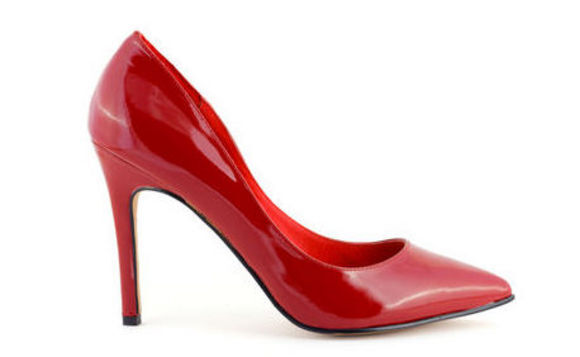
Towerbrookтs plan to sell Jimmy Choo this year for an estimated ТЃ500m, more than twice its value three years ago, highlights the significant benefits that can be reaped from investing in the luxury apparel sector. However, the deal also brings to the fore some of the complexities of navigating the sea of luxury brand investment, where the brandтs identity remains closely linked with its visionary.
Luxury apparel brands, probably more than any other product, seem to derive a significant amount of growth energy from the visionaries of the brand. Fashion shoppers appear to not only aim to mimic celebrities that wear the brands, but also seek to embrace the fashion philosophy of a brand's creator.
Indeed, this appears to be the case for the Jimmy Choo brand, which continues to be driven by the co-founder and ex-Vogue editor Tamara Mellon, who has remained at the helm. In addition to the strategic positioning of the brand among global trendsetters, Mellon, herself a high-profile fashion icon, has been known to be a wearer of her firm's shoes, encapsulating the very essence of the brand.
Created in 1989, Jimmy Choo has changed private equity hands a number of times, with the latest being Towerbrook's backing of a £185m buyout in 2007 - in which Mellon retained a 17% stake. The company's revenues have grown at a compounded rate of 30% since it was first backed by Phoenix Equity Partners in 2001.
Carlyle-backed men's luxury brand Moncler has also benefitted from having the founder steering the brand through the complex world of luxury fashion. The company, which has a planned IPO worth around €800m next year, has also exchanged private equity hands on several occasions, with the latest being Carlyle's €220m investment in 2008. Founder Remo Ruffini holds the helms of the brand's creativity and brand positioning, with a 38% stake in the company. Moncler saw revenues rise 23% year-on-year to about €372m in 2009, with EBITDA rising 45% to almost €80m.
But all has not been well at Permira-backed Valentino, which has suffered brand leadership woes following the retirement of founder Valentino Garavani. Garavani's successor, Alexandra Facchinetti, lasted less than a year, and was replaced by an in-house team up of Maria Grazia Chiuri and Pier Paolo Piccioli.
The leadership woes have indeed been reflected in the financials, as the brand continues to suffer declining revenues. Permira was forced to take the brand through a restructuring and recapitalisation in 2009, which saw new equity investment from the backer. The private equity investor purchased 100% of Valentino alongside a significant holding of Hugo Boss in a €5.3bn deal in 2007.
Permira however, remains positive of a turnaround at Valentino, with plans to grow the business through new product categories and flexible customer programmes. It remains to be seen if the brand will successfully navigate the difficult world of luxury fashion without the direction of its visionary founder.
Latest News
Stonehage Fleming raises USD 130m for largest fund to date, eyes 2024 programme
Sponsor acquired the public software group in July 2017 via the same-year vintage Partners Group Global Value 2017

Stonehage Fleming raises USD 130m for largest fund to date, eyes 2024 programme
Czech Republic-headquartered family office is targeting DACH and CEE region deals

Stonehage Fleming raises USD 130m for largest fund to date, eyes 2024 programme
Ex-Rocket Internet leader Bettina Curtze joins Swiss VC firm as partner and CFO

Stonehage Fleming raises USD 130m for largest fund to date, eyes 2024 programme
Estonia-registered VC could bolster LP base with fresh capital from funds-of-funds or pension funds