

Q&A: Reaching the mezzanine level
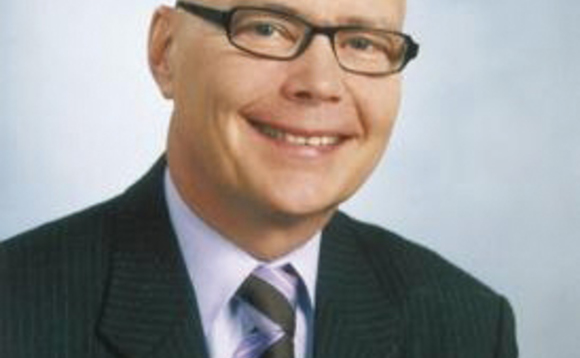
Armada Mezzanine recently spun out of Eqvitec. Rikke Eckhoff catches up with managing partner Pertti Nurmio.
Why did you decide to spin out of Eqvitec?
Eqvitec set up its first mezzanine fund with EUR 46m in committed capital in 2000 to primarily support the firm's technology-focused venture funds. Many of the investments were jointly made, and mostly in Finland. This first fund did very well and is now in profit-sharing.
But when the IT bubble burst, we gradually started to shift our focus towards more ordinary buyout mezzanine. The second fund, which was closed on EUR 53m in 2005, has now been fully invested. From this fund, only one joint investment was made with Eqvitec's equity funds and the mezzanine product was marketed in all Nordic countries as a buyout mezzanine fund, with less of a focus on technology.
Since the synergies had been diminishing over time, it made sense to separate the two businesses after the third fund was raised. This way, both parties can now focus exclusively on their core businesses.
You closed this latest fund in March 2009 on EUR 103m, double the size of its 2005 predecessor. The market for mezzanine was fairly dry in 2009, do you worry about dealflow going forward?
Actually, despite hardly any deals being completed in 2009, our dealflow was brisk. It was the execution that was the main problem; very few deals reached completion. In the last quarter of 2009, however, the market started to turn and the quality of deals improved.
Although banks are back in business again, they remain cautious. Therefore, there is a great opportunity for mezzanine to fill this financing gap. For example, we participated in Altor's acquisition of one of the clusters of the Swedish pharmacies when it was privatised in November last year and also invested in AAC Capital Partners' Envirotainer deal. In fact, the third fund is well up to speed in terms of activity.
Have you noticed any differences between the Nordic countries in terms of deal activity?
Yes, the majority of our pipeline is currently in Sweden. We are expecting the Danish and Norwegian markets to follow suit, but Finland seems to have a slow start. The uptick in activity is mainly down to signs of economic recovery, namely improved visibility, banks opening up for business and pressure for private equity firms to make investments and offload portfolio companies. Additionally, the quality of deals we see are better, so we are very optimistic with respect to future dealflow in all the Nordic countries.
Over the past year mezzanine has been said to have lost out in restructurings, what is your view on this?
These cases have usually involved a number of senior and junior lenders in large syndicated deals. In the Nordic region, average transactions are smaller in size and thus only include one or two banks, one mezzanine provider and one equity sponsor. We mostly participate in this type of club deal, which means we are higher up the capital structure and don't have to fight a big consortium of lenders with a different agenda. So in the small- to mid-cap Nordic market, risk is reduced, while maintaining the upside of mezzanine's cash interest components and warrants.
More on Financing

Ares Management handed keys to two-thirds of UK sponsor's portfolio
Lender provided GBP 500m for three of the GP's deals between 2016 and 2019, Debtwire reported

Portable refis pave way for smoother sponsor exits in rocky market
Sellers are aiming to bolster buyer confidence, securing debt that can be transferred to the next LBO
Pemberton assesses European market for NAV strategy
Having hired Tom Doyle from 17Capital, the firm is looking at trends including generational change and market consolidation that will drive demand for strategy

Triton secures €1.45bn syndicated ESG-linked facility
Triton is the latest in a string of mainstream GPs to have announced ESG-linked loans this year
Latest News

Stonehage Fleming raises USD 130m for largest fund to date, eyes 2024 programme
Sponsor acquired the public software group in July 2017 via the same-year vintage Partners Group Global Value 2017
Stonehage Fleming raises USD 130m for largest fund to date, eyes 2024 programme
Czech Republic-headquartered family office is targeting DACH and CEE region deals
Stonehage Fleming raises USD 130m for largest fund to date, eyes 2024 programme
Ex-Rocket Internet leader Bettina Curtze joins Swiss VC firm as partner and CFO
Stonehage Fleming raises USD 130m for largest fund to date, eyes 2024 programme
Estonia-registered VC could bolster LP base with fresh capital from funds-of-funds or pension funds