
Caution ... is key
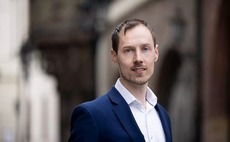
Director of private equity at SVG Advisers, Sam Robinson, speaks on LPs' decreased appetite for risk and the need to make vehicles more efficient in this economic climate. By Sam Robinson, SVG Advisers.
There is widespread belief that LPs are only likely to back existing fund managers, and even then only after prolonged due diligence and likely at a lower level than previously. What are your views on this?
New managers may be seen to be at a disadvantage due to the uncertainty of an unrealised track record and lack of evidence of behaviour in previous downturns, compounded by LPs' decreased appetite for risk and reduced available capital. While all of these are true, existing managers have not escaped the impact of the downturn; the pace of fundraising and deal activity has slowed and this in turn has created more time to conduct due diligence and get to know other managers better. We look at new managers and would not re-up with a manager solely on the basis that we are already invested with them. Generally, we would say that if a compelling argument exists for a new fund following thorough due diligence, there is no reason why we would not invest, or why the "bite size" should automatically be less. Given that there are now less funds closing, available capital can now be spread across fewer funds.
In light of the economic slump, LPs have been changing their investment strategies. Has SVG Advisers changed its strategy, and if so, to what sectors and why?
Simply, we have not changed our strategy; we continue to back the managers that we believe will provide the best returns - for us it's not about following a trend. Private equity (and particularly funds-of-funds) is long term and cyclical, so we anticipate downturns and work through them accordingly - over the life of our funds, there may be various shifts in focus, but for us this will likely balance over the long term. For example, with debt reigned in at present there is less activity in the large buyout space, making small/mid-cap GPs more attractive - but that's not to say we are now avoiding large buyout players. For us, now is about being cautious until there is more visibility - thorough due diligence, maintaining relationships and looking at ways that we can make the vehicles more efficient - it's not the time for a knee-jerk reaction change in strategy. For example, in 2001 we did not stop investing in venture, but we were still mindful that many managers were occupied with troubled portfolios.
There has been much talk on secondaries transactions, but less action it seems. What are your experiences of this?
Secondary transactions are difficult in a volatile market; it is hard to form a view on the real value of an asset, particularly when there is limited visibility on earnings. Yet secondary opportunities have increasingly emerged as LPs aim to redress the balance of private equity in their portfolios, or reduce unfunded commitments. The problem is the mismatch between buyer and seller expectations - sellers won't necessarily sell for the cheap prices buyers want and buyers won't increase their offers based on the uncertainty that exists in the underlying portfolios. As a result, several deals have been pulled away from the table. For us, however, it's not about primaries or secondaries; ultimately it's about making the best investment appropriate for the vehicle.
Latest News
Stonehage Fleming raises USD 130m for largest fund to date, eyes 2024 programme
Sponsor acquired the public software group in July 2017 via the same-year vintage Partners Group Global Value 2017
Stonehage Fleming raises USD 130m for largest fund to date, eyes 2024 programme
Czech Republic-headquartered family office is targeting DACH and CEE region deals

Stonehage Fleming raises USD 130m for largest fund to date, eyes 2024 programme
Ex-Rocket Internet leader Bettina Curtze joins Swiss VC firm as partner and CFO
Stonehage Fleming raises USD 130m for largest fund to date, eyes 2024 programme
Estonia-registered VC could bolster LP base with fresh capital from funds-of-funds or pension funds