
Q&A: The long road to recovery
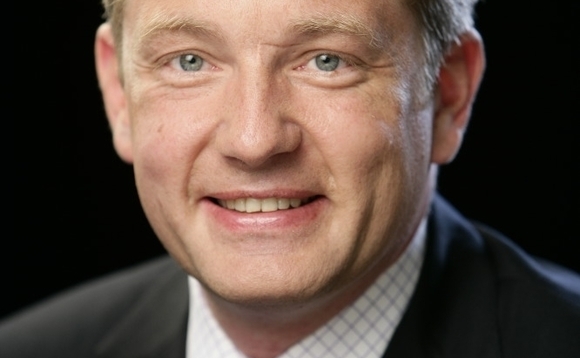
Emanuel Eftimiu talks to Dr Frank Thiäner, partner at P+P Pöllath + Partners about the state of the German private equity market.
1. How would you describe the current mood in the German private equity market
Cautiously optimistic. Debt markets have still not fully recovered and the sovereign debt crisis causes a certain degree of uncertainty for the economy. That makes it difficult to find the right price for a company. There still seems to be a gap between sellers' expectations and what buyers are prepared to pay. But I am cautiously optimistic that the debt markets will further recover during the course of this year and that we will see some more small and mid-cap deals. It will take some time though until we see large leveraged buy-outs again. One thing is certain: private equity in Germany will not return to the 2002-2007 levels for a long time.
2. In which area has P+P been most active in the past 12 months?
We have helped funds, portfolio companies and strategic investors to adapt to the new situation. Most of us at P+P focused on fund and company (re-)structuring. Some of the challenges that the crisis brought were new to many of our clients and it was good to see that we could help. Besides corporate and financial restructuring, we continued to do some small and mid-cap transactions. Venture capital was also very strong. However, there have not been any significant large-cap transactions in the past 12 months.
3. What do you see as the biggest obstacle to doing/completing deals at the moment?
The lack of confidence. Investors and banks do not have enough confidence in the economy to recover substantially and, more importantly to remain sustainable. This uncertainty is fuelled by the sovereign debt crisis. Funds that want to do deals still have a hard time securing acquisition finance. All equity deals are not very attractive and, due to tax reasons, often even impossible to do.
Banks have changed their practice from underwriting and syndication to clubbing together in deals, while also reducing their commitments. Therefore, funds now have to negotiate with a large number of banks in order to secure debt finance for their acquisitions. This prolongs the transaction process and makes it sometimes even necessary to repeat the due diligence before a deal can be signed. All of this increases transaction costs and reduces deal certainty.
4. What have been the major developments in the German private equity market in the past 12 months?
Funds have started to look for new opportunities since the second half of 2009. However, although it appears that banks have returned to the table, bank finance is still difficult to obtain. For a short while, there was some movement on the exit side: In the first quarter of 2010, there were three successful IPOs: Chemicals distributor Brenntag, fashion retailer Tom Tailor and cable operator Kabel Deutschland. This has fuelled hopes that the stock market would reopen and offer once again a viable exit route. However, it remains to be seen whether we will see further IPOs this year.
5. What are the biggest threats to improving deal-flow in Germany?
The reluctance of banks to provide acquisition finance at moderate conditions and the sovereign debt crisis causing uncertainty for the economic development of target companies.
Latest News
Stonehage Fleming raises USD 130m for largest fund to date, eyes 2024 programme
Sponsor acquired the public software group in July 2017 via the same-year vintage Partners Group Global Value 2017
Stonehage Fleming raises USD 130m for largest fund to date, eyes 2024 programme
Czech Republic-headquartered family office is targeting DACH and CEE region deals

Stonehage Fleming raises USD 130m for largest fund to date, eyes 2024 programme
Ex-Rocket Internet leader Bettina Curtze joins Swiss VC firm as partner and CFO

Stonehage Fleming raises USD 130m for largest fund to date, eyes 2024 programme
Estonia-registered VC could bolster LP base with fresh capital from funds-of-funds or pension funds