

Q&A: Baker Botts' Neil Foster on corporate venture
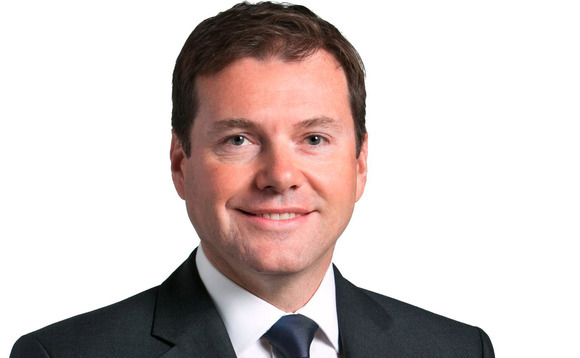

Corporate venturing represented two thirds of venture capital's $134bn deal value in 2016, according to Neil Foster, a partner at law firm Baker Botts. Oscar Geen speaks to Foster about the emergence of deal-related best practice and fund structuring
Oscar Geen: At unquote" we've noticed an increase of corporate venture capital (CVC) players participating in funding rounds alongside traditional VCs. What are the advantages for the portfolio companies and traditional VC firms of working with CVCs?
Neil Foster: The CVCs know their own industries very well and are therefore an invaluable resource for VC firms when it comes to due diligence. This knowledge benefits the portfolio companies as well, because they can provide connections and mentoring to the CEOs. They also have a lot of cash to deploy.
OG: And what about the disadvantages?
NF: CVCs are attracted to venturing for strategic objectives rather than financial returns, but they should be careful to make sure they invest as though their motivation were financial. If they are viewing investments purely in strategic terms, this can lead to term sheets that end up being restrictive for the portfolio companies or other investors when it comes to raising further money or making an exit, which ultimately is not good for any of the parties.
OG: Is it often the case that the corporate parent ends up acquiring the portfolio companies of its venturing arm?
NF: This is the perception but actually the parent company is only the acquirer in 8% of exits. Many CVCs were set up for the purpose of scouting for M&A, but if they view this as the sole purpose it can be detrimental. For example if CVCs insist on having aggressive exclusivity arrangements it can put off potentially interested third parties, because it doesn't make sense for them to incur fees preparing a bid that will ultimately be matched by the corporate parent with the exclusivity arrangement.
OG: So how should CVCs achieve their strategic goals?
NF: They should set up a structure that keeps the venturing division at arm's length from the parent. This sends a message to the market that third party investors will be on equal footing to the CVC and keeps the number of exit options – and therefore also potential exit multiples – as high as possible. But you also need to remember that there may be conflicting strategic objectives within the corporate parent.
OG: Can you give an example of this?
NF: CVCs are often investing in genuinely disruptive technologies that can present a threat to the business model of the parent or at least certain divisions within it. Imagine a CVC associated with a car manufacturer in the 1960s that invested in an electric motor company. In the past, this has led to situations where CVCs acquire companies just to stall their growth and prevent competitors from getting their hands on them.
OG: But this can't be good for their reputation?
NF: It's not, and CVCs with this record will not be able to close deals with the best entrepreneurs. Best practice has started to emerge but Europe is still behind the US in this regard. This is partly because there's more capital available and therefore more competition for the best deals, but Europe is catching up.
OG: Is there anything that European CVCs do better than their US counterparts?
NF: Taking their board seats. This is partly due to liability issues but European CVCs are more likely to take their board seats and take a hands on role in mentoring the management teams, and helping out with strategy and connections where they can. It is a fact that this is more common in European deals.
More on Investments
Change of mind: Sponsors take to de-listing their own assets
EQT and Cinven seen as bellweather for funds to reassess options for listed assets trading underwater

BHM Group builds on PE strategy, eyes European medtech and renewable energy acquisitions
Czech Republic-headquartered family office is targeting DACH and CEE region deals

Evoco expects portfolio acquisitions, assesses potential exits in 2H23
Switzerland-headquartered GP is currently deploying equity via its EUR 162m Evoco TSE III fund
Turning the tables – an M&A downturn means investment banks are now targets themselves
Some dealmakers with healthy balance sheets and willingness to go countercyclical are pursing acquisitions
Latest News

Stonehage Fleming raises USD 130m for largest fund to date, eyes 2024 programme
Sponsor acquired the public software group in July 2017 via the same-year vintage Partners Group Global Value 2017

Stonehage Fleming raises USD 130m for largest fund to date, eyes 2024 programme
Czech Republic-headquartered family office is targeting DACH and CEE region deals

Stonehage Fleming raises USD 130m for largest fund to date, eyes 2024 programme
Ex-Rocket Internet leader Bettina Curtze joins Swiss VC firm as partner and CFO

Stonehage Fleming raises USD 130m for largest fund to date, eyes 2024 programme
Estonia-registered VC could bolster LP base with fresh capital from funds-of-funds or pension funds